


2026 Exterior Stone Cladding Guide
By 2026, exterior design has evolved beyond simply defining the outer shell of a building—it has become a powerful expression of a structure’s character, status, and architectural stance. Within this transformation, stone cladding has emerged as a signature architectural feature, especially in luxury villa projects, upscale residences, prestigious hotel chains, and meticulously restored historic buildings.
The natural texture, timeless elegance, and durability of stone, when combined with the technological capabilities of modern architecture, create an atmosphere that is both contemporary and aristocratic. For this reason, understanding 2026 facade trends, managing the design process effectively, and taking a strategic approach to material selection have become more important than ever.
The exterior facade of a building sets the first impression and defines the tone for its entire architectural composition. Stone cladding is the most striking element on this stage, as its textures—shaped by nature over millions of years—evoke both trust and admiration. Today’s rapidly changing architectural approach is steering buildings away from monotonous forms toward more distinctive and character-driven designs. In this pursuit of originality, stone stands out as one of the few materials that can harmonize with both minimalist modern lines and classic architectural details.
In 2026, large-format stone slabs used on broad surfaces in villas and residential projects represent the essence of simplicity and fluidity in aesthetics. With fewer joint lines and more unified surfaces, buildings gain a more prestigious and serene appearance.
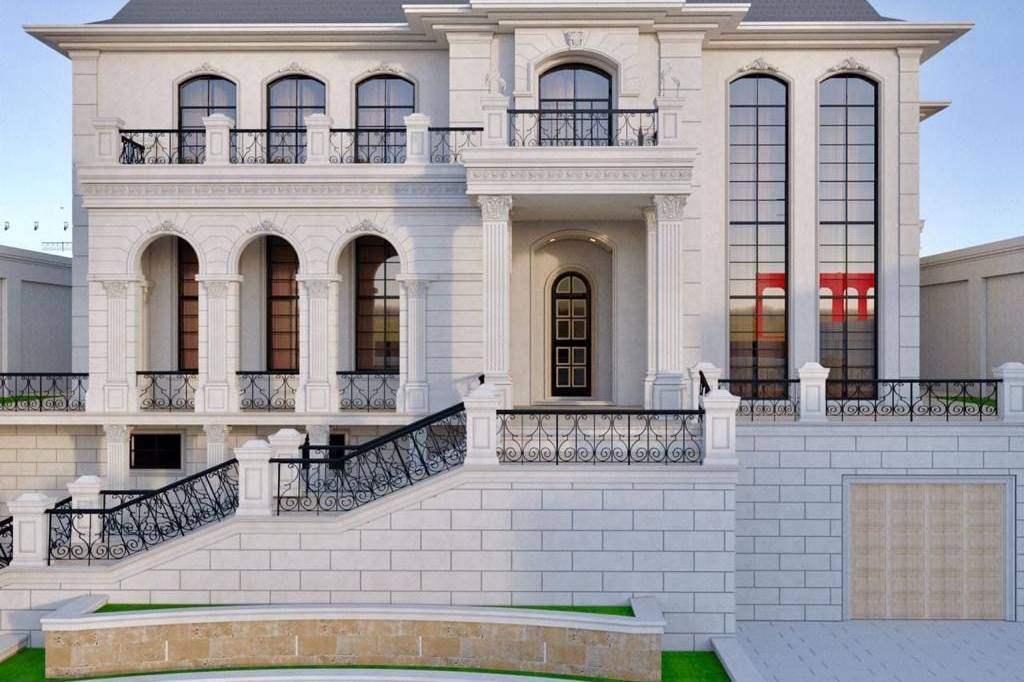
2026 Villa Exterior Stone Cladding
In luxury villas, stone cladding is preferred for its superior durability, excellent resistance to moisture and UV rays, and extremely low maintenance requirements. In coastal regions, where salty air can be damaging, durable natural stones such as granite, basalt, and travertine are widely used. In forested or nature-integrated locations, warmer-toned, more textured stone varieties are chosen.
Another key trend in 2026 villa design is the harmonious combination of stone and wood. Together, these two natural materials create a modern yet warm identity—an aesthetic that reflects a refined luxury lifestyle blended with nature.
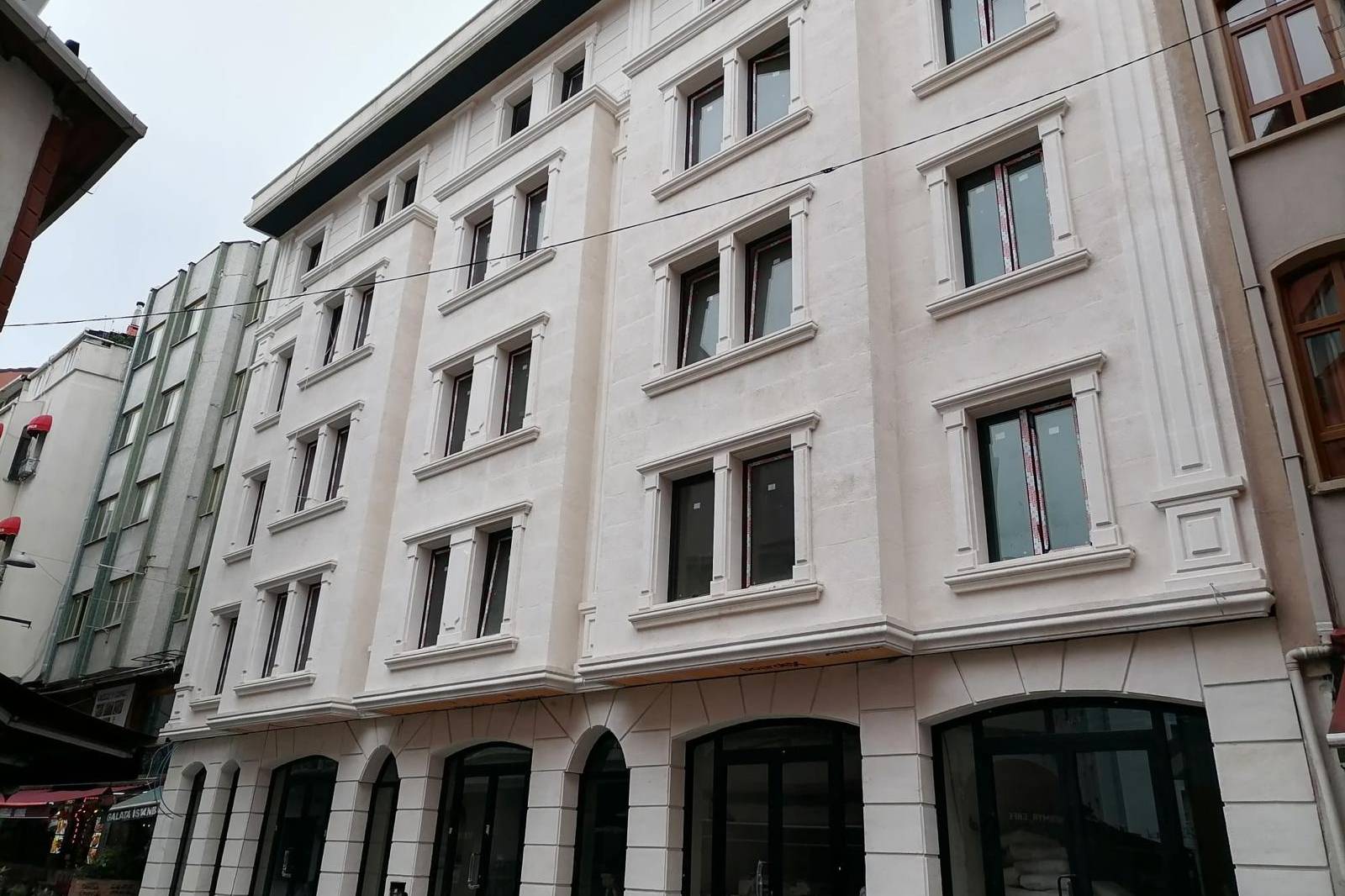
2026 Residential Exterior Stone Cladding
Stone cladding is one of the most effective ways to increase the value of residential buildings. In modern urban housing projects, matte-surfaced stone panels in darker tones create a contemporary and sophisticated appearance. The integration of stone with minimalist lines gives the building a strong architectural identity.
For more classical residential designs, marble-textured stones, travertine surfaces, and finely detailed craftsmanship take center stage. In classical architecture, stone is not merely a cladding material but an artistic touch that completes the building’s visual identity. Therefore, factors such as color, veining, textural depth, and interaction with light play a crucial role during the design process.
2026 Hotel Exterior Stone Cladding
In hotel projects, the exterior facade has strategic importance, as it forms the first visual connection between the guest and the property. In 2026, the use of stone cladding in hotels has extended beyond exterior walls and is now found in entrance axes, terraces, poolside areas, and large column surfaces.
Natural stone’s durability ensures long-lasting performance even in high-traffic areas. At the same time, stone brings a timeless sense of luxury to hotel architecture.
While dark basalt surfaces are chosen to create a dramatic ambiance, tropical resort hotels often prefer lighter tones to achieve a fresh and tranquil identity.
The unique way stone interacts with light—especially when combined with nighttime lighting—enhances the hotel’s architectural composition and offers a more impressive overall look.
2026 Historic Building Stone Cladding and Restoration
Stone cladding and restoration in historic structures remain among the most meticulous fields of application. Preserving a historic building’s identity while adapting it to modern needs requires not only technical expertise but also cultural sensitivity.
In restoration projects, it is essential to match the original stone, ensure seamless integration between old and new materials, and achieve perfect texture and color harmony. With today’s technologies, aged natural stone productions make it possible to renew historical facades without compromising authenticity.
Such stones increase structural durability while preserving historical integrity, enabling restoration projects to protect cultural heritage while meeting the aesthetic needs of contemporary urban life.
Technological Advances in Stone Cladding – 2026
With advancements in stone cladding technology, ventilated facade systems have become increasingly popular. These systems create an air gap behind the stone layer, giving the building a breathable exterior shell.
This air cavity helps prevent moisture issues and enhances thermal insulation. As energy efficiency standards continue to rise, such solutions offer significant advantages by reducing energy consumption and extending the building’s lifespan.
Additionally, composite-reinforced lightweight stone panels are preferred in high-rise buildings for improved safety and faster installation. Nanotechnological protective coatings reduce maintenance costs and ensure that stone surfaces retain their original appearance for many years.
2026 Exterior Stone Cladding Trends
In luxury projects, the color of stone is one of the strongest design elements shaping the building’s identity.
In 2026, design trends frequently highlight:
The modern and aristocratic presence of white marble
The powerful and mysterious atmosphere of dark basalt
The artistic appeal of natural stones with golden vein effects
Matte stone surfaces help control light reflections and create a calm, premium aesthetic. Soft-textured surfaces, on the other hand, add depth to the building’s architectural expression.
Professional installation teams are essential for successful implementation of these systems.
Due to the weight and delicate nature of stone, proper installation techniques are critical. Incorrect application can cause aesthetic flaws and structural issues.
In 2026, professional teams use laser measurement devices and advanced fastening systems to ensure precise, millimeter-level installation—providing both visual cohesion and long-lasting durability.
Conclusion
The 2026 exterior stone cladding guide presents a perspective where modern architectural demands meet the timeless aesthetic of classical materials.
Stone cladding is a unique solution that enhances quality of life in villas, increases investment value in residential projects, strengthens guest perception in hotels, and preserves cultural heritage in historic buildings.
When the right stone selection is paired with meticulous application, buildings gain a lasting value—not only for today but also for the future.
In 2026, stone cladding continues to be the most refined, natural, and striking architectural language of luxury.