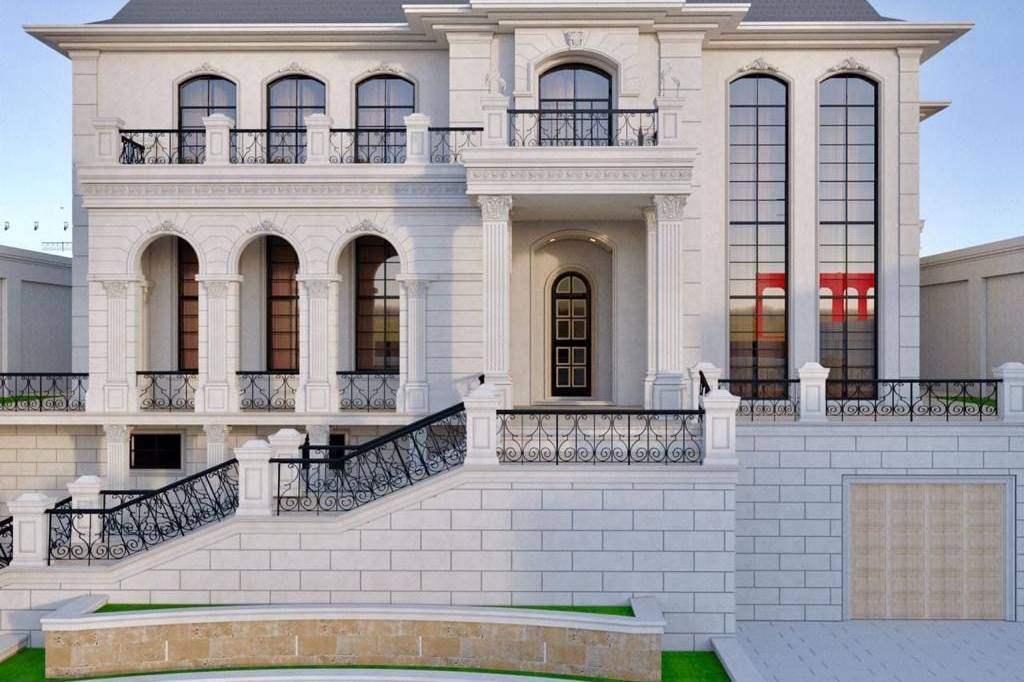



Hotel Exterior Stone Cladding Service

In today’s hospitality industry, where competition is steadily increasing, exterior design is no longer just an aesthetic detail—it has become a critical element that directly affects guest perception, brand value, and booking preferences. The exterior façade of a hotel shapes the first impression guests form before even stepping inside. For this reason, professional hotel exterior stone cladding has become a strategic investment for all accommodation businesses.
The right cladding solution provides long-term value with its aesthetic appeal, high durability, easy maintenance, and cost efficiency.
The Strategic Role of Exterior Design in the Hospitality Industry
Hotels face much higher visibility and brand pressure than other types of buildings.
A large portion of guests pay special attention to a hotel’s exterior appearance when making a reservation. Modern, well-maintained, and architecturally strong buildings inspire trust, whereas outdated, worn, or ordinary façades have a negative psychological impact on potential guests.
At this point, exterior cladding is not just a visual upgrade; it is an investment that:
Adds value to the brand,
Strengthens customer loyalty,
Directly influences accommodation preferences.
Hotels that receive professional exterior cladding services gain significant advantages not only in appearance but also in operational efficiency and energy savings.
Types of Cladding Suitable for Hotel Architecture
When selecting exterior cladding for a hotel, factors such as architectural identity, location, climate conditions, target audience, and brand concept must be considered. Professional companies determine the most suitable solution based on the building’s character, achieving long-lasting results.
Natural Stone Cladding
A top choice for luxury hotels.
Natural stone reflects the hotel’s quality with its durability and prestigious look. It is widely used in both urban and resort hotels.
Stone-Look Composite Cladding
Lightweight, quick to install, and highly durable—ideal for modern hotels.
It offers the aesthetic appeal of natural stone while adding minimal load to the building.
Composite and Aluminum Panels
Provide a dynamic, contemporary look for modern hotels.
They are highly resistant to wind, rain, and sunlight, and are suitable for large-scale façade designs.
Wood-Look Cladding
Combines natural warmth with modern aesthetics.
Often preferred for boutique hotels, mountain hotels, and nature-integrated resorts.
Insulation-Integrated Cladding Systems
Improve energy efficiency and reduce operational costs.
They enhance both the hotel’s exterior appearance and indoor comfort.
Choosing the right cladding type with expert guidance highlights the hotel’s architectural value.
The Importance of Durability in Hotel Exteriors
Hotels operate year-round and their exteriors are constantly exposed to environmental elements.
Therefore, the durability of façade materials directly affects long-term maintenance costs.
A professional exterior cladding service should offer:
High resistance to UV rays,
Durability against rain, snow, salt air, and temperature fluctuations,
Anti-fading surface technologies,
Impact resistance,
Minimal maintenance requirements.
Cladding that maintains its original appearance for years also preserves the hotel’s brand image.
Aesthetic Design and Material Selection Suitable for the Hotel’s Surroundings
A hotel’s location plays a key role in exterior design decisions.
The needs of a coastal hotel differ greatly from those of a high-altitude mountain hotel. Likewise, a city hotel’s modern look requirements differ from a boutique hotel’s need for warmth and character.
Professional service providers analyze the surrounding conditions and evaluate:
Climate characteristics,
The hotel’s target audience and concept,
Competitor hotel façades,
Architectural lines of the region,
Sunlight and wind exposure,
Whether the building is new or old.
Based on these assessments, the most functional and aesthetic cladding system is selected.
Energy Efficiency and Thermal Insulation Benefits for Hotels
Exterior cladding is not just a visual renovation.
In hotels, thermal insulation and energy efficiency are critical cost factors.
Modern cladding systems reinforce the building envelope and:
Reduce heat loss in winter,
Maintain cool indoor temperatures in summer,
Lower heating and cooling expenses,
Increase guest comfort in rooms,
Deliver significant operational savings.
Thus, hotel exterior cladding is an aesthetic, technical, and economic investment.
Lasting Results Through Professional Application
Transforming a hotel’s exterior is a complex engineering and application process.
Professional teams manage the project through the following stages:
Façade inspection and analysis
Material selection and technical recommendations
Project planning and timeline development
Surface preparation
Professional cladding installation
Insulation and waterproofing checks
Final tests and quality control
When handled by an expert firm, the application process is faster, safer, and guarantees long-lasting aesthetic and structural quality.
A Value-Enhancing Investment for Hotel Owners
For hotel businesses, exterior cladding is not just a renovation but a high-return investment.
It:
Enhances visual appeal,
Elevates brand prestige,
Positively influences guest choice,
Increases the property’s sale or rental value,
Improves online reviews,
Provides visual superiority over competitors.
Therefore, professional cladding is a strategic move that boosts medium- and long-term profitability.
Conclusion: Professional Exterior Cladding Is One of the Most Valuable Investments for Hotel Brands
Hotel exterior stone cladding strengthens architectural aesthetics, enhances durability, reduces operating costs, and elevates brand prestige.
With professional execution, the hotel’s appearance is transformed into a modern, trustworthy, and high-value structure.
For hotels aiming to create a strong first impression, gain competitive advantage, and reflect their quality from the outside in, exterior cladding is an essential investment.