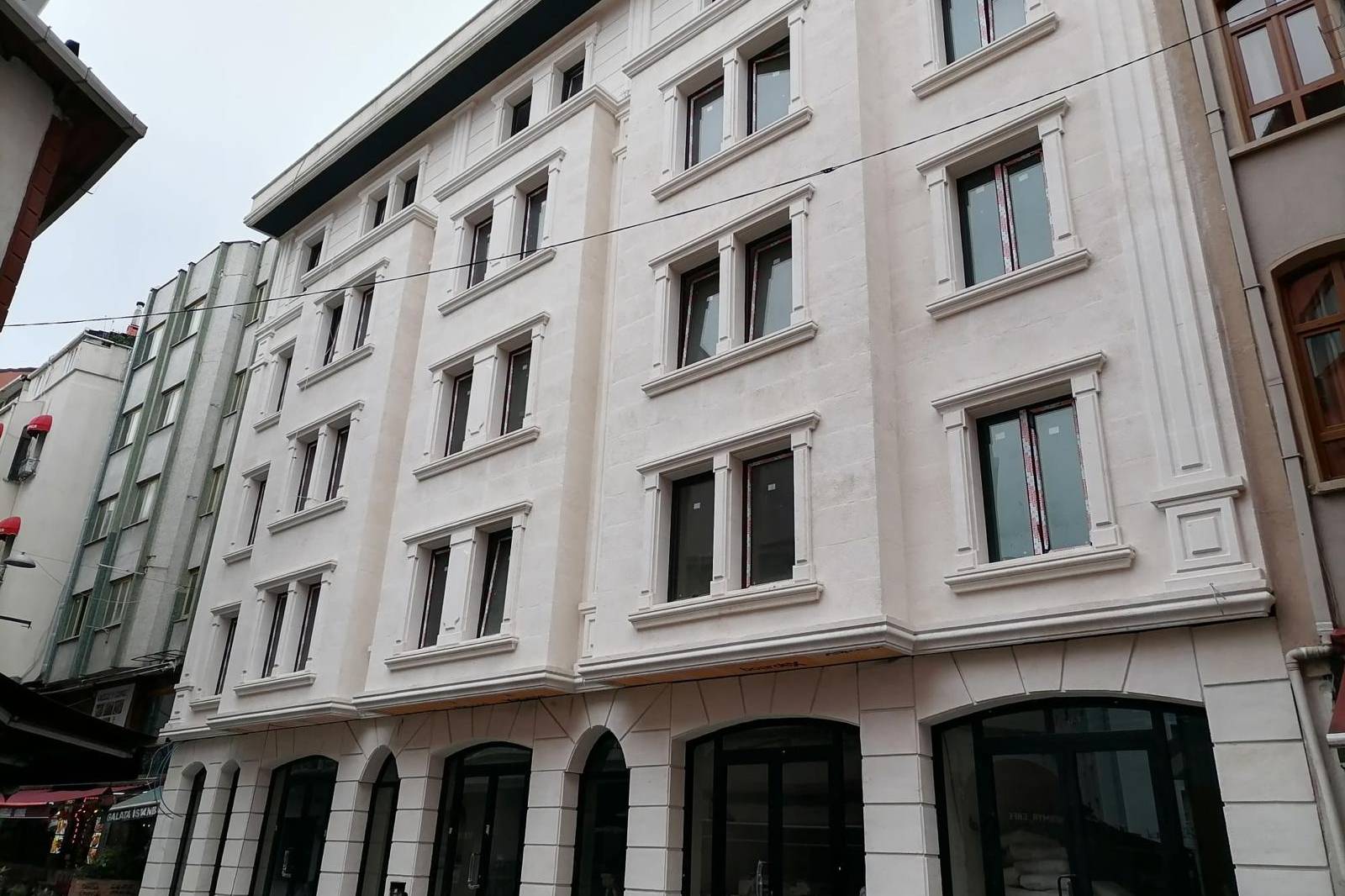



How is Exterior Stone Cladding Done?

Exterior stone cladding represents one of architecture’s oldest yet most contemporary façades. From historic buildings to modern villas, boutique hotels to corporate structures, the reason stone is widely chosen is simple: stone doesn’t just age—it becomes more beautiful with time. Its natural texture adds character, its durability instills a sense of security, and its color and form variations allow architects to personalize the building’s identity.
However, stone cladding is not merely an aesthetic touch—it is a comprehensive design process. From surface preparation to pattern planning, from selecting the right type of stone to anchoring systems, it involves numerous professional steps. In this article, we will explain not only how exterior stone cladding is applied step by step but also how it can be strategically designed to achieve modern architectural aesthetics.
The Role of Natural Stone in Architecture: Design, Texture, and the “Aging Beauty” Effect
Natural stone has historically symbolized permanence in architecture. One of the key reasons it continues to be used in modern buildings is its natural aging process. While concrete, metal, or composite surfaces fade over time, natural stones such as travertine, granite, and slate retain and even enhance their textures. This allows architects to design “living façades” in villas and residential projects that gain character over time.
Not all stones produce the same visual impact. Travertine offers a minimal, calm appearance, slate provides a dramatic, fragmented expression, and granite conveys strength in a modern style. Therefore, stone selection is not just a technical decision—it is an essential part of the architectural vision.
Pre-Application: Designing the Façade
Stone cladding is more than attaching stones to a wall—the planning phase is the most creative part of the process.
Creating a Texture Map
Professional stone cladding craftsmen and architects create a “texture map” for the façade. This map determines areas of dense or subtle texture, corner transitions, and other design decisions, ensuring the façade is not just covered but thoughtfully designed.Tone Distribution Planning
Color variations in natural stone are inevitable, but they are a design strength. Stones are laid out on a large surface before installation to assess tonal harmony and create a balanced composition.Architectural Focal Points
Certain areas—entrances, window surrounds, corners, columns, or large surfaces—may need emphasis. Stones are selected in larger or smaller sizes accordingly, creating architectural focal points with stone.
Technical Process: Professional Stone Cladding
Surface Preparation
The façade must be not only clean but also even. Irregular surfaces cause gaps and shadows between stones. Professionals inspect the surface, remove damaged plaster, and perform repairs. For highly uneven façades, screed plaster is applied to create the ideal base for stone installation.Professional Adhesive & Double Bonding
Exterior stones are heavy, making adhesive choice critical. Polymer-enhanced, high-adhesion, exterior-grade adhesives are preferred.
The “double bonding” technique—applying adhesive to both stone and wall—ensures 100% adhesion, especially for large-format stones.Placement and Joint Design (“Derz Architecture”)
Stones are installed from the bottom up, with each row checked using a level. Joint widths vary from 6 mm to 2 cm, depending on design.
The color of the joints can completely change the façade’s perception:
Light joints = modern, airy, and soft
Dark joints = strong, masculine, and defined
Invisible joints = monolithic and sculptural
Joint filling is an invisible yet crucial design detail.
Anchoring for Large Natural Stones
Heavy stones require more than adhesive—they need steel anchors, clip systems, or hidden support profiles. This ensures earthquake safety and prevents movement over time.
Modern Architectural Tips for Stone Cladding
Stone cladding is no longer limited to rustic or countryside architecture. Modern and sophisticated designs can be achieved through thoughtful combinations:
Stone + Wood
A signature design for modern villas: the natural hardness of stone combined with the warmth of wood. This pairing is particularly impactful on entry façades.Stone + Glass
In minimal and transparent architecture, dark stones paired with large glass surfaces create a sculptural identity for the building.Single Surface Emphasis
Instead of cladding the entire façade, focusing stone application on one surface—such as the entrance or a balcony projection—yields a more modern aesthetic.Fragmented Texture for Shadow Play
Fragmented stones like slate create deep shadows under sunlight, transforming the façade into a dynamic, ever-changing surface.
Stone Cladding Maintenance: Aging Naturally
Natural stone requires minimal maintenance. Periodic application of water-repellent protectors enhances color richness. Low-pressure washing can remove moss in affected areas. With proper care, stone cladding can retain its original aesthetic for decades.
Conclusion: Stone Cladding is a Design Culture, Not Just Craftsmanship
Exterior stone cladding is a solution that transforms the spirit of a building when the right materials, techniques, and architectural vision converge. The process is not merely construction—it is a design culture combining texture, light, shadow, and form. Working with both technically skilled craftsmen and design-focused architects is crucial for achieving the full potential of stone cladding.